
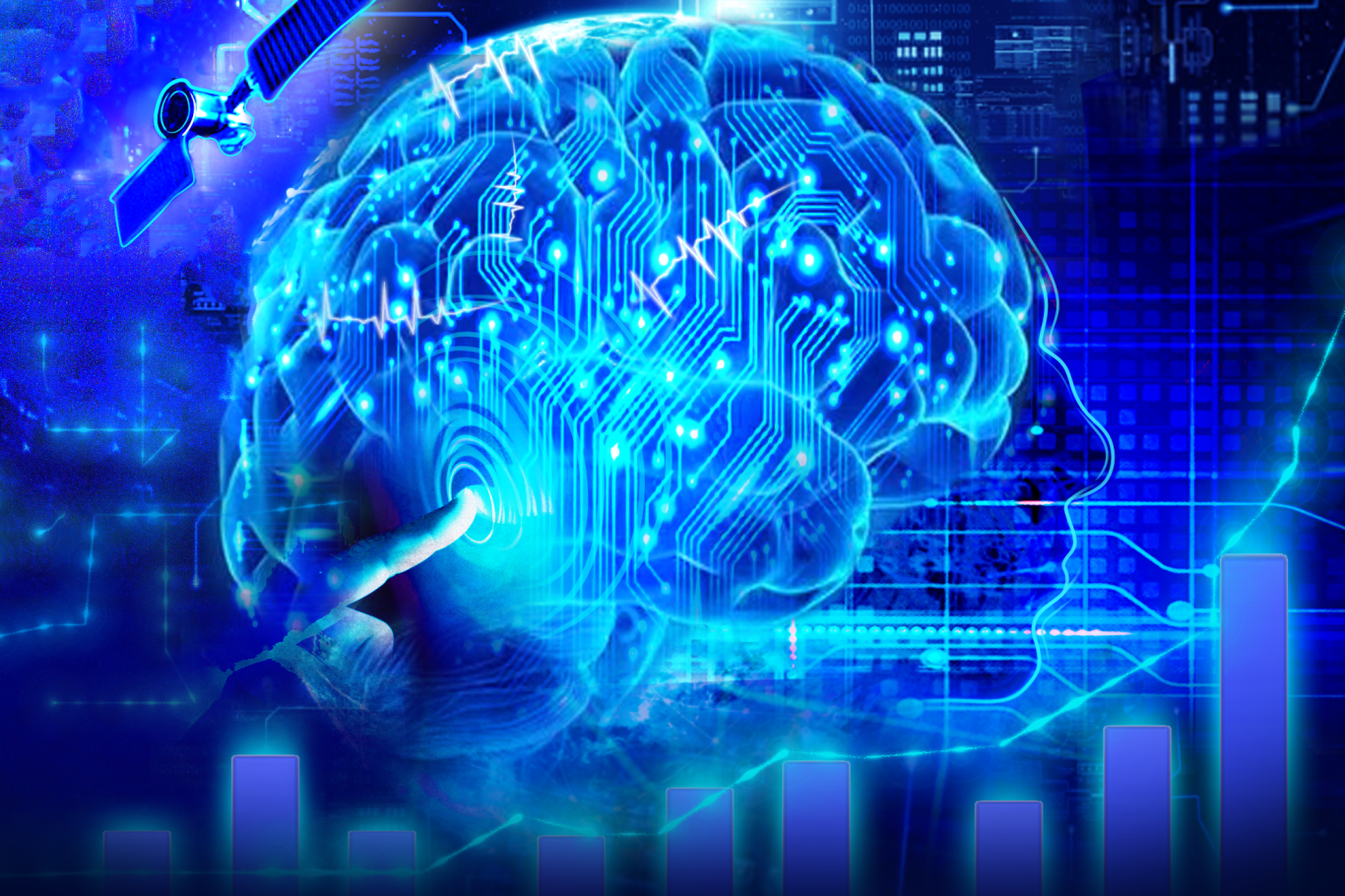
Treating problems tied to head injuries is complex. This is, in part, because it is not possible to directly examine the brain of a living person and because every brain injury is unique. Advanced brain imaging to detect concussions is not available in standard clinical settings, so clinicians rarely have clear roadmaps for rehabilitation.
Via the utilization of Artificial Intelligence, Blockchain Technology and Software Technology, purposeful modulation of the nervous system's activity can be achieved without invasive (e.g. microelectrodes) or non-invasive means (e.g. transcranial magnetic stimulation or transcranial electric stimulation, tES, such as tDCS or transcranial alternating current stimulation, tACS) to offer a solution for difficult to treat medical conditions such as pain stemming from Complex Regional Pain Syndrome and Post Concussion Syndrome - medical solutions administered via psychological means.
Blockchain as a Medical Device
The Virtual Blockchain Server, is a Blockchain System which utilizes AI-Enabled Software and Matrix Inversion to verify hash connectivity within the Blockchain to design, develop and deploy cybernetic medical device innovations. Its algorithmic functionality is a custom computing system that makes the non-functional SWIFT computer source code functional, without using Apple Software Development systems to restore functionality and usability.
This enables the software design and development process to include AI algorithms are tested as a Medical Device via the utilization of Blockchain before being implemented via computer hardware technology for the end-user experience and for strengthening Blockchain security.
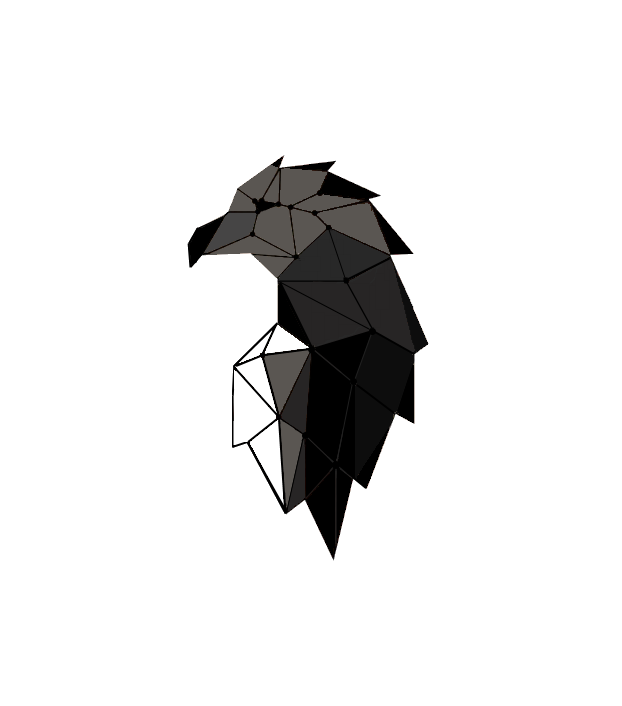
Each AI pictured below is a product of the Virtual Blockchain Server that run back-end operations for the CalenDarer Virtual Computer Systems and Virtual Computer Environments that enable the use of AI as a Medical Device. "The Bold Eagle" pictured in the lower right, can become its own company and holds the regulatory parameters of Free Speech, enabling its brand to be used as a micro-blogging system where Free Speech “is” the locomotion, taking 1 step further than Twitter's Free Speech Policies. These types of AI algorithms are utilized to administer Prescription Digital Therapeutics via psychological means where patients suffer from difficult to treat conditions, but also dictate the operational workflow of the CalenDarer Computer Program end-user experience.












COMPARISON

Neuralink Cybernetic Micro-Chip ($5,000)
The Neuralink N1 chip works by using tiny, flexible threads implanted directly into the brain's motor cortex to read electrical signals from neurons and translate them into digital commands for external devices and is implanted via surgical means.
Mechanism of Action: The Human Goes into the Computer System

VS
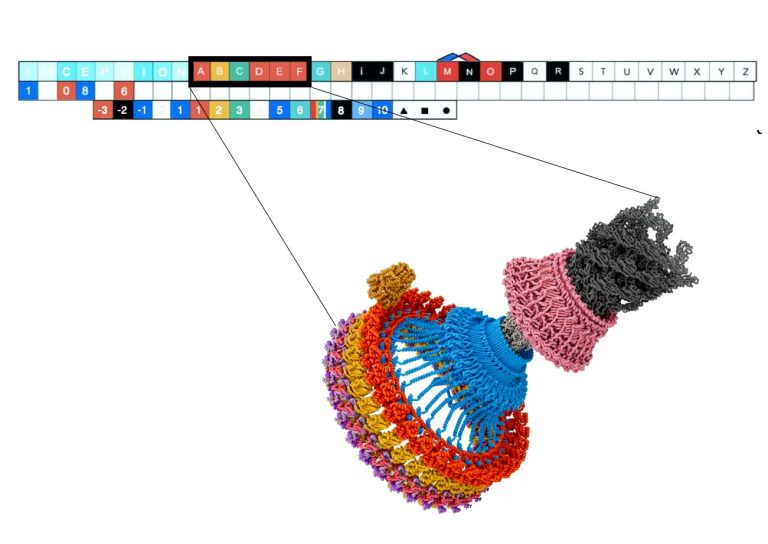
CalenDarer Bio-Cybernetic Micro-Chip ($9,000)
The CalenDarer -C+ chip works by using a Non-Functional Version of its Software within a Blockchain made from the functionality of the software, delivering a fully operational Cybernetic Ai Computing system founded on protection regulation and is administered via psychological means.
Mechanism of Action: The Computer System goes into the Human with an external Remote Sensor (CalenDarer)
Parallel Ai as a Medical Device
The Social Calendar Network
(-)
"The Social Calendar Network" is the Non-Functional Computer Software Source Code, designed like a patient with a medical condition, serves as the negative input (-).
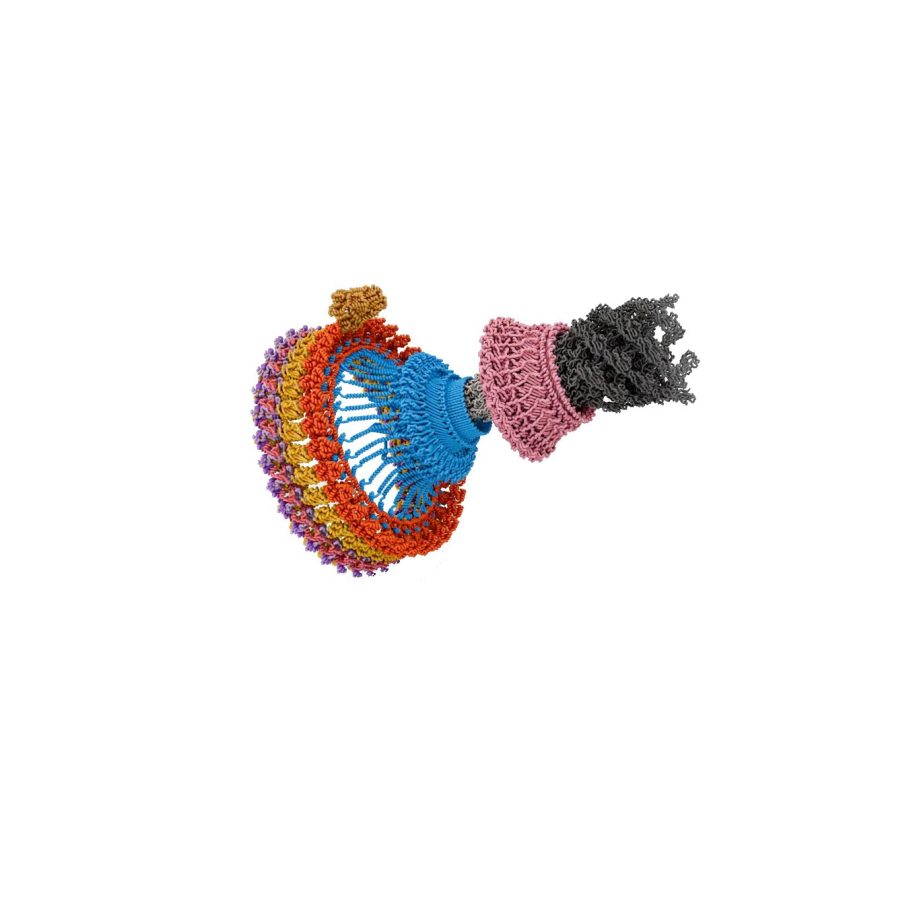
The -C+ BioCybernetic
A Super Intelligence (Si) designed utilizing ElectroMagnetic Energy, Blockchain, Parallel Artificial Intelligence (PAi), ReActive Artificial Intelligence (RAi), with point of inception being Functional Natural Language Programming (F-NLP).
The -C+ BioCybernetic Internal Computing System Synchronizes with the external Computing System called the CaluBrator, thereby creating a Cybernetic connection between the internal and external systems to deliver Ai-Enabled services as the end-user experience.

The CalUbrator
(+)
"The CalUbrator" is the Quantum Entanglement Computing Language, designed like a cured patient, serves as the positive output (+).
Disclaimer: Using AI and How to Use AI
Luke 17:20–21 records Jesus telling the Pharisees that the kingdom of God does not come with visible signs or physical landmarks to point to, because it is already in their midst and within them.